
Tel: +86 151 9566 5312
ADD: No. 588, Datong Road, Wuyi Town, Nanqiao District, Chuzhou City, Anhui Province, China.
New energy vehicles impose extremely high requirements on NVH (Noise, Vibration and Harshness). With the popularization of electric vehicles, wind noise and road noise become more prominent in the absence of masking noise from internal combustion engines. This has driven automakers to set higher standards for the acoustic insulation performance of vehicle door sealing systems, thereby boosting market demand for TPE/TPV materials with excellent acoustic management capabilities.
 |
 |
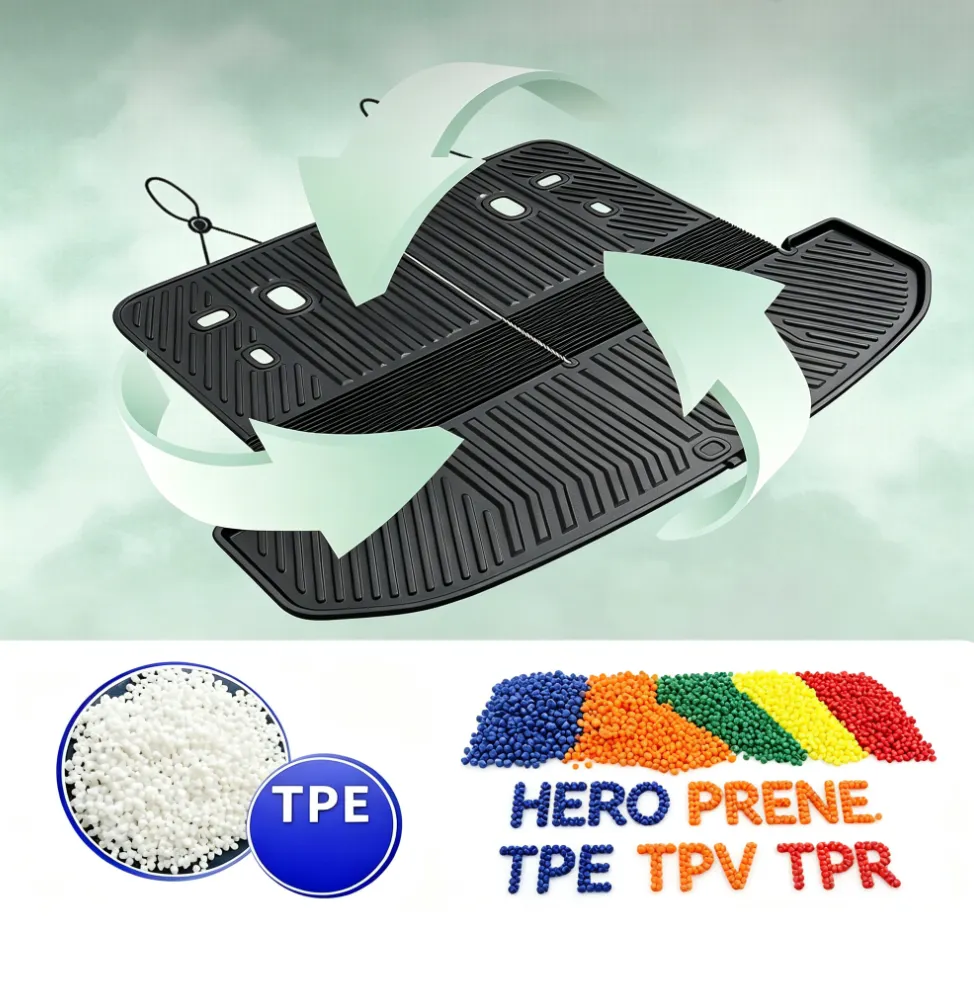
Environmental regulations and lightweight trends: Global environmental regulations (such as the EU REACH and ELV directives) have imposed strict requirements on in-vehicle VOC (Volatile Organic Compound) emissions and material recyclability. Featuring recyclability and low odor, TPE/TPV materials are gradually replacing traditional vulcanized EPDM rubber. Meanwhile, the growing demand for automotive lightweighting has further expanded the application of TPE materials in automotive sealing strips.
Growing preference for high-recycled-content materials: To balance environmental sustainability and high performance, the industry has launched TPE solutions with high recycled content. For instance, specially engineered TPE materials for automotive sealing systems contain over 50% recycled content. While complying with stringent automotive industry quality standards, such materials effectively reduce the carbon footprint of finished products.
 |
 |
New energy vehicles impose extremely high requirements on NVH (Noise, Vibration and Harshness). With the popularization of electric vehicles, wind noise and road noise become more prominent in the absence of masking noise from internal combustion engines. This has driven automakers to set higher standards for the acoustic insulation performance of vehicle door sealing systems, thereby boosting market demand for TPE/TPV materials with excellent acoustic management capabilities.
|
|
Environmental regulations and lightweight trends: Global environmental regulations (such as the EU REACH and ELV directives) have imposed strict requirements on in-vehicle VOC (Volatile Organic Compound) emissions and material recyclability. Featuring recyclability and low odor, TPE/TPV materials are gradually replacing traditional vulcanized EPDM rubber. Meanwhile, the growing demand for automotive lightweighting has further expanded the application of TPE materials in automotive sealing strips.
Growing preference for high-recycled-content materials: To balance environmental sustainability and high performance, the industry has launched TPE solutions with high recycled content. For instance, specially engineered TPE materials for automotive sealing systems contain over 50% recycled content. While complying with stringent automotive industry quality standards, such materials effectively reduce the carbon footprint of finished products.
|
|

Tel: +86 151 9566 5312
ADD: No. 588, Datong Road, Wuyi Town, Nanqiao District, Chuzhou City, Anhui Province, China.